How much does a website cost? What really drives the price
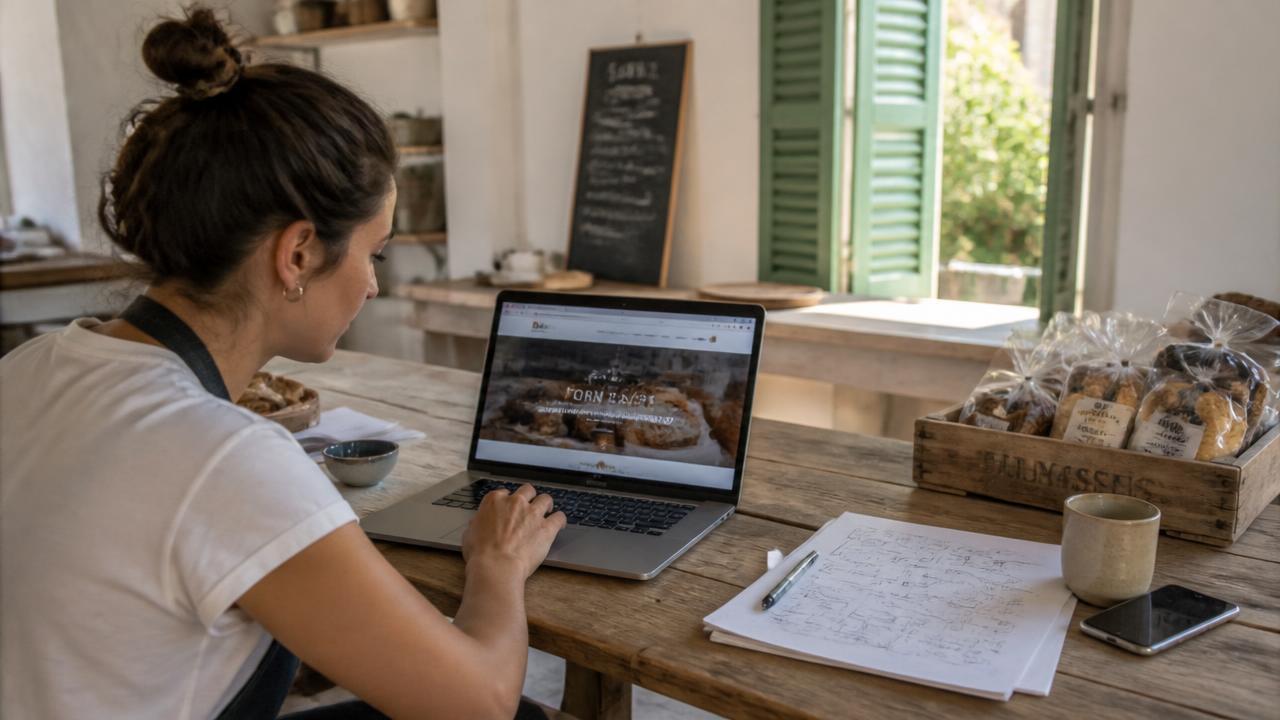
"How much does a website cost?" is the first question almost every business asks. The honest answer is that it depends, because the same word — website — covers wildly different projects.
Instead of a number that means nothing without context, here are the factors that actually move the price, so you can compare quotes and spot the ones hiding costs.
1. Scope: how many pages and what they must do
A single-page site presenting one service is not the same as a site with a catalogue, bookings or an online shop. Every feature adds design, development and testing.
Before asking for a quote, define what the site must achieve: phone calls, form enquiries, bookings or direct sales. The goal sets the scope, and the scope sets the price.
2. Custom design or template
A template is faster and cheaper, but your site will look like others and will limit you when you want to change something. A custom design costs more and reflects your brand and the way you sell.
Neither option is bad in itself: templates make sense when you need a presence quickly, custom design when the website is your main acquisition channel.
3. Copy and photos: the invisible cost
This is the line most quotes underestimate. If you provide the text and images, the project is cheaper; if the agency has to create them, add copywriting, photography or stock licensing.
Also watch out for projects that stall for months because content never arrives — the real cost ends up higher.
4. Languages
In Mallorca it's common to need Spanish and English, sometimes German or Catalan too. Each language adds translation, review and technical setup (hreflang tags, menus, forms).
It's worth it when a real share of your customers search in that language — not as a "just in case".
5. SEO: included or not
A website can look beautiful and never appear on Google. Always ask whether the quote includes a search-oriented structure, unique titles and descriptions, speed, structured data and content written to rank.
That's the difference between a digital brochure and a channel that brings customers.
6. What comes after: domain, hosting and maintenance
A website doesn't end on launch day. Recurring costs to clarify up front:
- Domain and hosting
- Updates and backups
- Content changes, new sections or promotions
- Measurement: analytics, forms and conversion tracking
Questions to ask before you sign
A good quote answers all of these plainly:
- Exactly which pages are included, and what happens if I need one more?
- Who writes the copy and who provides the photos?
- Will the site be mine, and can I edit it without depending on anyone?
- Does it include basic SEO setup and analytics?
- What fixed cost will I have each month or year?
- What is the delivery timeline and what does it depend on?
7. How to spend less without giving up what matters
A small business in Mallorca rarely needs everything on day one. The cheapest project is not the one with the lowest quote, it's the one that launches with the pages that generate enquiries and grows from there with the money the website itself brings in.
In practice that means starting with the service you sell most, one page per service you actually want to be found for, a booking or enquiry form that works on a phone, and your own photos instead of stock. A catalogue, a shop, a customer area or a blog can wait until the first version is paying for itself.
One more piece of advice: agree in writing how many review rounds are included and what a change of scope costs. Most budget overruns in small projects don't come from the design — they come from decisions taken halfway through that nobody had priced.
Frequently asked questions
Is it better to start cheap and improve later?
It can work if the site is built on a foundation that can grow. The problem starts when the cheap site can't be edited or extended and has to be rebuilt a year later.
How long does a website take?
Design and development are the predictable part; what stretches projects is content delivery and review rounds. With copy and photos ready, timelines shorten considerably.
Do I need an online shop?
Only if you'll sell products regularly. Many service businesses perform better with a well-built lead-generation site and a solid enquiry or booking form.
Want a clear quote for your website?
Tell us what your business needs and we'll prepare a detailed proposal with no hidden line items.
Keep reading
Website ranking in Mallorca: a practical guide for small businesses
Step by step, what it takes for your website to show up on Google when someone searches for your service in Palma, Calvià, Manacor or Inca.
ReadGoogle Business Profile in Mallorca: how to optimise it
The free asset that brings the most local customers — and that almost nobody maintains properly.
Read